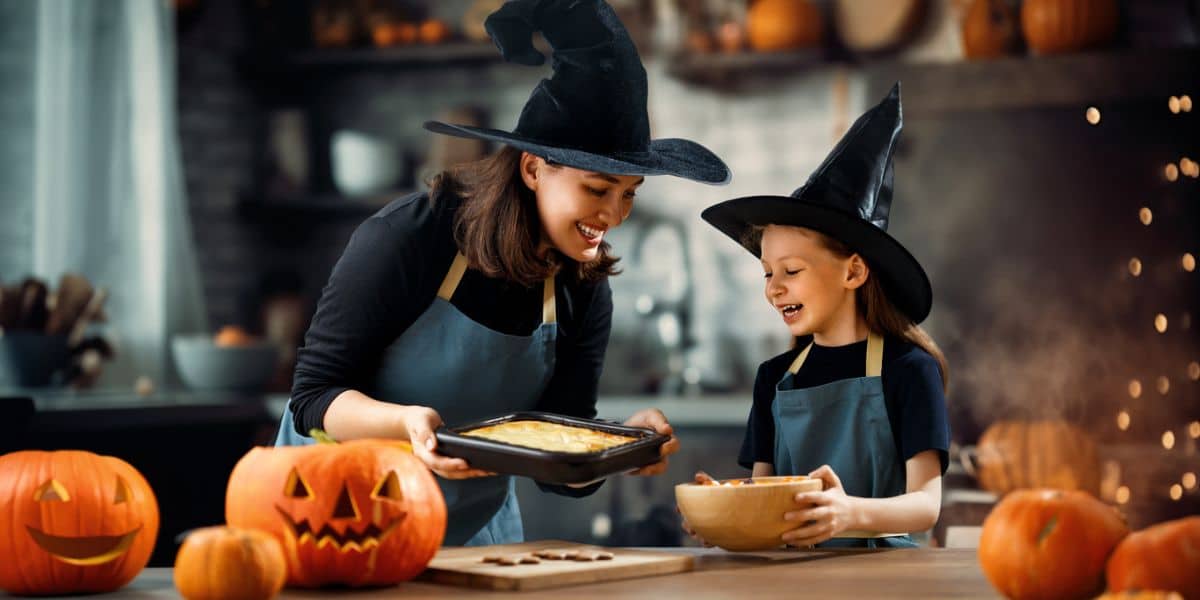

Divorce can change a lot of things—including how you spend the holidays. If this is your first season as a single parent or without your old traditions, it might feel tough. But it’s also a chance to make something new. Starting new holiday traditions after divorce can help you and your kids enjoy the season in a different, even better, way.
At Krasner Law, we know how emotional this time of year can be after a split. That’s why we help families not only with legal matters, but also with real-life transitions. This guide is here to help you find fresh ways to celebrate, enjoy time with your kids, and even create new memories you’ll treasure.
Why New Traditions Matter
Traditions bring comfort. They give us something to look forward to and help us feel connected. But when a family changes, the old ways might not work anymore.
Creating new holiday traditions after divorce can:
- Give kids a sense of stability
- Help you feel more in control
- Make room for joy, even if things are different
- Create happy memories in your new chapter
The key is to focus on what works for your current life, and finding healing through intentional celebration can help transform a difficult season into one filled with hope.
Easy and Meaningful New Holiday Traditions
You don’t need to make big changes to create something special. Here are some simple ideas to start new holiday memories:
1. Make a “Just Us” Holiday Plan
Start your own traditions with your kids. These don’t have to be expensive or fancy. Try:
- Pancakes and hot cocoa in pajamas
- Watching the same holiday movie every year
- Letting your kids help decorate or pick the menu
What matters is making the time feel special in your own way.
2. Create a New Schedule That Works
If you and your co-parent share time during the holidays, plan early and clearly. Whether you take turns each year or split the day, focus on making your time meaningful:
- Go see lights together
- Bake cookies and deliver them to neighbors
- Make crafts to hang up or give as gifts
Having a plan helps everyone know what to expect.
3. Celebrate With Friends and Family
You don’t have to do it all alone. Inviting people over or joining someone else’s celebration can help you feel less lonely. Try:
- Hosting a holiday brunch
- Joining friends who also have kids
- Planning a dinner with your family
Let people support you—you’re not in this alone.
4. Give Back Together
Helping others can make the holidays feel more meaningful. It also teaches kids the joy of giving. You can:
- Donate toys or clothes
- Volunteer at a food bank or shelter
- Make holiday cards for seniors or veterans
It feels good to do good, especially during the holidays.
5. Take a Holiday Getaway
Sometimes, the best way to start fresh is to go somewhere new. Consider:
- A weekend trip to the mountains or beach
- Renting a cabin for a quiet escape
- Visiting a new city to explore holiday events
Changing the setting can help create a fresh outlook.
Should Divorced Parents Spend Holidays Together?
One of the most common questions that comes up after divorce is:
Should divorced parents spend holidays together?
It’s a good question—and the answer really depends on your specific situation. Some families find that sharing holiday time works well for them. For others, it creates more stress than joy. What’s most important is that the holidays feel peaceful and happy for your children, no matter how you decide to celebrate.
Let’s break it down.
When Spending Holidays Together Can Work
If you and your ex-spouse get along reasonably well and can be in the same room without arguments or tension, spending part of the holiday together might be a great option—especially when kids are young.
Why it works:
- It keeps the day simple for your children
- Kids don’t feel like they’re being shuffled back and forth
- It allows for a sense of normalcy, even after divorce
Examples of what this might look like:
- Sharing a meal: You and your ex might both attend a holiday breakfast or dinner at a family member’s home
- Opening gifts together: Some parents choose to let the kids open presents with both parents there, even if it’s just for an hour or two
- Attending events: You could both go to a school play, church service, or holiday party together as a united front
When this option works best:
- You have a low-conflict relationship with your ex
- Both parents respect each other’s boundaries
- You both agree that the focus should stay on the kids, not the past
Tip: Even if you’re on good terms, it’s helpful to set expectations ahead of time. Who brings what? How long will you stay? Can new partners attend? Talking through these things in advance can prevent uncomfortable surprises.
When It’s Better to Celebrate Separately
Not all co-parents are in a place where shared holidays feel healthy—or even possible. And that’s okay. If there’s tension, hurt feelings, or any form of ongoing conflict, trying to celebrate together can actually be harder on your children.
Signs it might be better to spend holidays apart:
- You and your ex argue often or have unresolved issues
- One or both of you feel uncomfortable or anxious being together
- The kids pick up on stress or feel like they have to “choose sides”
- There are clear boundaries that would be crossed by spending time together
What you can do instead:
- Alternate holidays: One parent has the kids this year for Thanksgiving, the other gets them next year
- Split the day: One parent has the morning, the other has the evening
- Create your own traditions: Instead of trying to copy old routines, create new ones your kids will come to love
Examples of new traditions might include:
- A Christmas Eve movie night
- Making a special breakfast the day after the holiday
- Taking a winter walk to look at decorations
Even if your celebration doesn’t fall on the exact holiday, it can still feel just as meaningful.
What’s Best for the Kids?
At the end of the day, the goal is to protect your children’s emotional well-being. That means reducing stress, avoiding conflict, and making the holiday feel special—whatever that looks like in your family.
Ask yourself:
- Will this bring peace or create tension?
- Is this really what’s best for the kids—or am I doing it out of guilt or pressure?
- Am I trying to hang onto the past instead of building something new?
It’s normal to want to keep some things the same, especially in the beginning. But remember: your kids will remember how the holidays made them feel—not whether you celebrated together or apart.
Can We Spend Part of the Day Together and the Rest Apart?
Yes—some families find a “hybrid” model works best.
For example:
- You both attend a holiday event in the morning, like gift opening or a school show
- Then the children spend the rest of the day with one parent while the other has time to themselves or with extended family
- Next year, you switch
This approach allows for shared time without spending the entire day together, which can reduce pressure and make things more manageable.
What If One Parent Wants to Celebrate Together and the Other Doesn’t?
This happens more than you might think.
If your ex wants to spend the holidays together but you’re not comfortable—or vice versa—it’s okay to say no. You are allowed to have boundaries.
Here are a few things to try:
- Have an honest conversation ahead of time about what you’re comfortable with
- Offer a compromise, like attending one event but not the whole day
- Suggest your own plan for how to divide the holiday so that everyone knows what to expect
You don’t have to force something that doesn’t feel right just to “keep the peace.” Real peace comes from setting clear, respectful limits.
What If We Can’t Agree on a Holiday Plan?
If you and your ex are struggling to agree on holiday arrangements, you’re not alone. This is a common issue for divorced parents.
Here are some solutions:
- Mediation: Work with a neutral person to come up with a fair plan
- Parenting Plan Review: Go back and look at your legal agreement—maybe it needs an update
- Court Involvement: In tough situations, a judge may need to make the final call
If things are getting complicated, talk to a family law attorney. At Krasner Law, we can help you understand your options and work toward a plan that puts your kids first.
The Bottom Line
So—should divorced parents spend holidays together?
Sometimes yes, sometimes no. It depends on the relationship between you and your ex, and what’s truly best for your children.
- If you can be together without stress, it might help the kids feel more comfortable
- If it causes tension or confusion, it’s okay to celebrate separately
- What matters most is creating a calm, happy holiday experience for your children—no matter how that looks
Whether you’re figuring things out this year or looking to make changes for the future, know that you’re not alone. With some planning, communication, and creativity, your holidays can still be filled with joy—even after divorce.
Let me know if you’d like this added directly into your full blog draft or paired with a visual content idea!
Spending the Holidays Without Your Kids?
If your kids are with the other parent this year, the day may feel a little quiet—or even sad. That’s normal. But you can still make it meaningful. Try:
- Watching your favorite movie or show
- Cooking your favorite meal
- Spending time with friends or family
- Taking a walk or reading a book
- Volunteering in your community
You’re allowed to enjoy the day, even if it looks different. Use the time to relax and reset.
Helping Kids Through the Changes
Holidays after divorce can be hard on children. They may miss the old traditions or feel torn between parents. Here’s how you can support them:
- Talk honestly about what will be different
- Let them help plan new traditions
- Remind them that they are loved by both parents
- Keep a few familiar traditions if possible
Kids are more flexible than we think, and understanding how to navigate the emotional challenges that arise during this transition can make the adjustment period smoother for everyone.
Co-Parenting Tips for a Peaceful Holiday
To keep things calm and happy, try these co-parenting tips:
- Plan the holiday schedule early
- Write it down so there’s no confusion
- Stick to what you agreed on
- Be open to small changes if needed
- Keep the focus on your kids—not past issues
If things get too tricky, a lawyer can help update your parenting plan to better fit your needs, and learning about effective joint custody scheduling approaches can prevent conflicts before they arise.
You Can Still Enjoy the Holidays
Starting new holiday traditions after divorce takes effort, but it can also be really rewarding. You may even find you enjoy the season more than before. With less pressure and more freedom to do things your way, you can:
- Make the holidays simpler
- Focus on what matters most
- Build new traditions you and your kids love
It’s okay to feel sad, but it’s also okay to feel hopeful. This is a new chapter—and you get to write it.
Need Help with Holiday Schedules or Custody Agreements?
At Krasner Law, we know how important it is to have a holiday plan that works for your family. If you’re struggling with parenting time, custody issues, or co-parenting stress, we can help. We’ve helped many families in New York and New Jersey make changes that work better for them and their kids.
Contact us today to learn more about how we can support you and bring more peace into your season.